Robot Fleet Operations Dashboard

Designing a clear, real-time dashboard to monitor and optimize a fleet of cleaning robots for Telmekom — winner of the NOI Hackathon SFSCON 2025.

Role

UX/UI Designer

Industry

Robotic

Duration

24-hour hackathon sprint

a cell phone on a bench

Stage 1. Framing the Problem

Telmekom’s cloud APIs send a constant flow of robot data, but it’s raw, fragmented, and not actionable. Operations managers face cognitive overload, leading to a critical robot–human gap in real-time decision making

Stage 2. Design Approach

I structured the design into three complementary layers:

  • Overview dashboard: A calm operations hub that surfaces essential KPIs first (active robots, safety, utilization) with clear visual hierarchy and color-coded states for instant situational awareness.

  • Stats view: A dedicated detail layer for deeper metrics and trends, where dense telemetry can be explored without overloading the main screen.

  • AI assistant: For teams without time or expertise to interpret raw data, an integrated AI copilot turns telemetry into plain-language insights, alerts, and recommended next actions.

Stage 1. Framing the Problem

Telmekom’s cloud APIs send a constant flow of robot data, but it’s raw, fragmented, and not actionable. Operations managers face cognitive overload, leading to a critical robot–human gap in real-time decision making

Stage 2. Design Approach

I structured the design into three complementary layers:

  • Overview dashboard: A calm operations hub that surfaces essential KPIs first (active robots, safety, utilization) with clear visual hierarchy and color-coded states for instant situational awareness.

  • Stats view: A dedicated detail layer for deeper metrics and trends, where dense telemetry can be explored without overloading the main screen.

  • AI assistant: For teams without time or expertise to interpret raw data, an integrated AI copilot turns telemetry into plain-language insights, alerts, and recommended next actions.

a cell phone on a bench
a cell phone on a ledge

Dashboard

Showing data for all robots at once created visual clutter and increased cognitive load.


To address this, the dashboard uses a Single-Unit Focus pattern: operators switch robot or location with simple filters, the metrics update, but the visual hierarchy and layout stay stable, supporting recognition over recall instead of forcing users to re-interpret the interface each time.

a cell phone on a table
a cell phone leaning on a ledge

The Stats View

The Stats view shifts the experience from real-time monitoring to slower, analytic inspection without overloading the user.

  • Modular structure: Metrics are chunked into sections (Efficiency, Weekly Ops, Reliability, Overview), supporting goal-oriented exploration and reducing cognitive load.

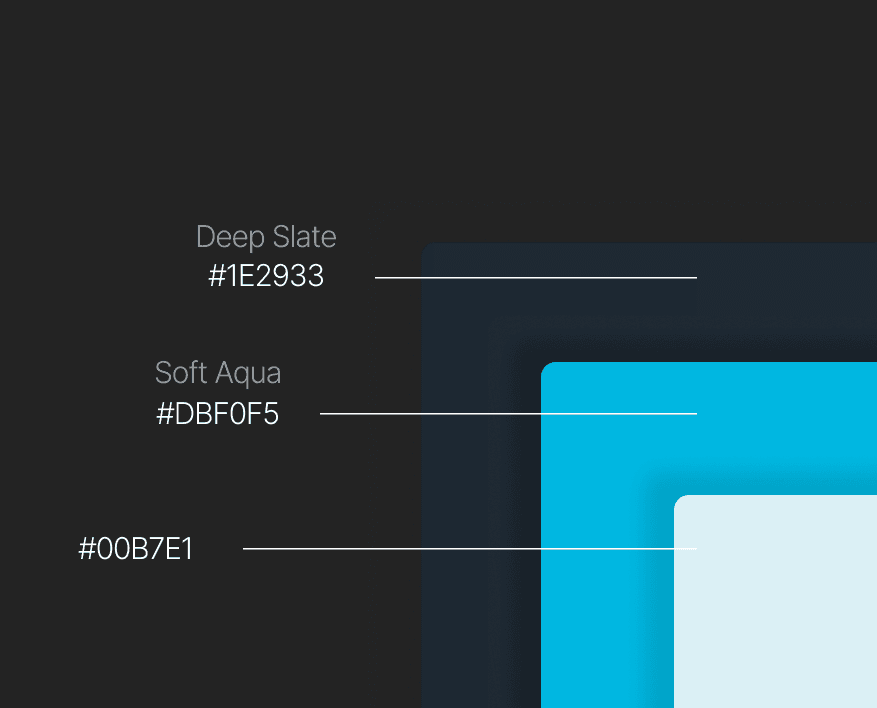
  • Visual hierarchy: Telmekom’s brand colours act as pre-attentive accents in charts and labels, so key trends pop out while the background stays visually calm.

The Stats View

The Stats view shifts the experience from real-time monitoring to slower, analytic inspection without overloading the user.

  • Modular structure: Metrics are chunked into sections (Efficiency, Weekly Ops, Reliability, Overview), supporting goal-oriented exploration and reducing cognitive load.

  • Visual hierarchy: Telmekom’s brand colours act as pre-attentive accents in charts and labels, so key trends pop out while the background stays visually calm.

a black cellphone with a white letter on it

The AI Assistant

The AI Assistant layer turns complex telemetry into plain-language, targeted answers, reducing both cognitive load and time-to-insight.

  • It bridges expertise gaps by answering questions like “Why is efficiency down?” from cross-metric patterns, instead of forcing managers to manually compare charts.

  • Using historical logs, it adds a proactive layer, surfacing preventive suggestions (like maintenance timing) without increasing UI complexity.

Outcomes & Reflections

In 24 hours we turned a conceptual brief into a working prototype that won 1st place, with judges highlighting how usable and clear our robotics data felt.

  • Speed over perfection: I focused on a Minimum Viable Experience—one coherent end-to-end flow instead of scattered polished screens.

  • Design × engineering: Co-designing with developers kept every interaction both feasible and user-friendly from day one.

  • Clarity in complexity: Information hierarchy and progressive disclosure across Dashboard, Stats and AI layers reduced cognitive load while supporting different operator needs

Other projects

Interested in connecting?

Got a project, an idea, or a story to tell? Drop me an email, I’d love to hear from you.

duhantarhan@gmail.com

Interested in connecting?

Got a project, an idea, or a story to tell? Drop me an email, I’d love to hear from you.

duhantarhan@gmail.com

Interested in connecting?

Got a project, an idea, or a story to tell? Drop me an email, I’d love to hear from you.

duhantarhan@gmail.com

Create a free website with Framer, the website builder loved by startups, designers and agencies.